ART EMOTION FLOW
The Sophistication Perceived by the Public – The Persistence of Fashion Design Grammar: Giovanni Boldini
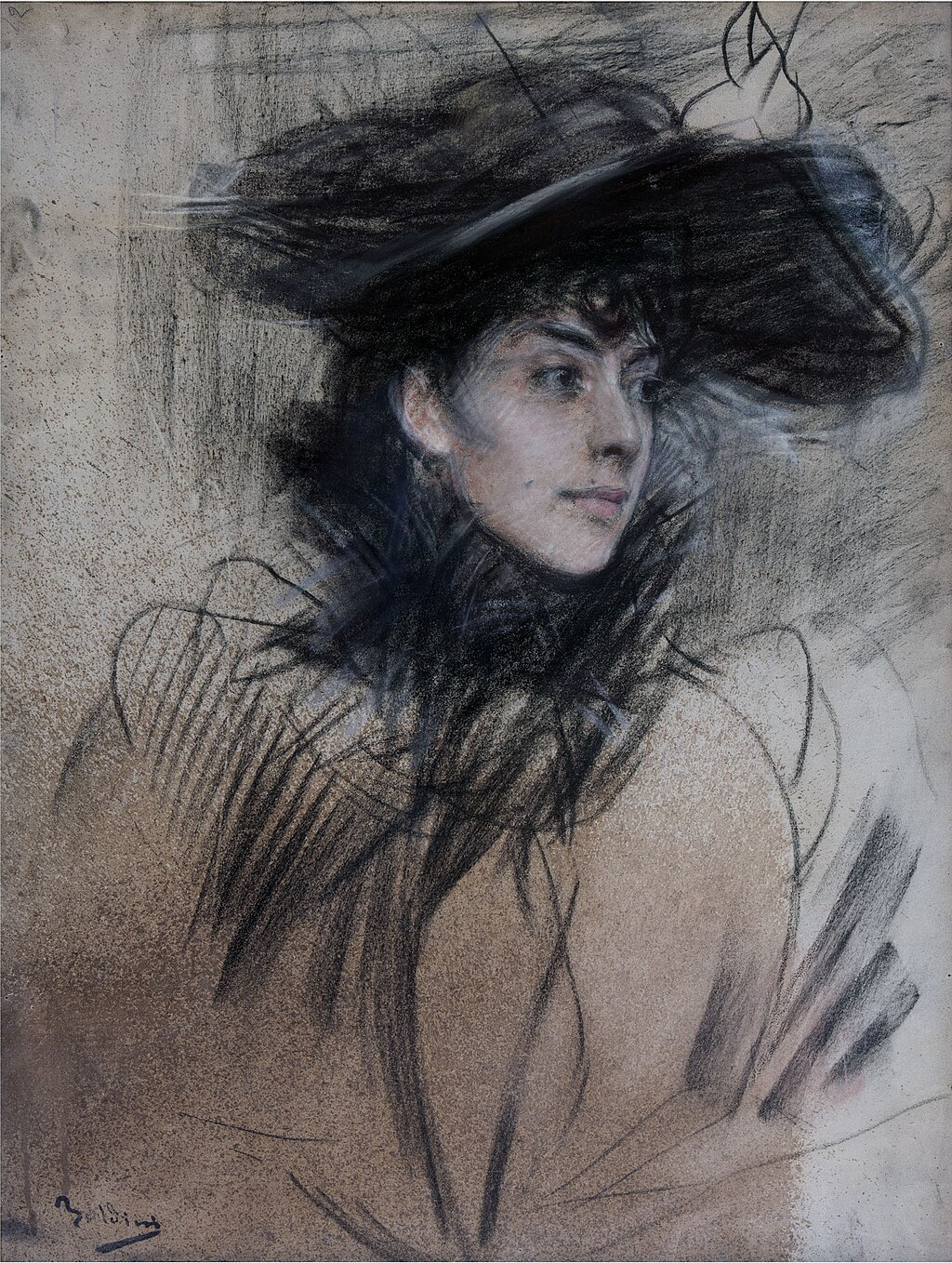
Giovanni Boldini: The Aesthetics of Speed and Fashionable Structure
Boldini’s aura emanates not from realistic depiction, but from his "Whiplash Brushstrokes" full of speed and "distorted body proportions."
1. Pioneering Structure of Fashion Illustration
Boldini elongated the limbs of his subjects and rendered the texture of fabrics with a few bold, sweeping strokes. This aligns perfectly with the core techniques of modern fashion illustration, which emphasize a "refined silhouette" and an "elegant attitude" over physical accuracy.
2. The Pulse of the Nervous System: The "Swish" Technique
His brushstrokes act as trajectories of living energy.
3. Contextual Information: The Splendor of the Belle Époque
Boldini’s works are recognized as "high-end portraits" rather than "unfinished paintings" because they are intertwined with the contextual value of Parisian high society. His high-speed finish became a visual grammar representing the lives of the busy, glamorous urban aristocracy.
A Century of Public Learning: Boldini’s Grammar
| Artist | Core Aura | Visual Characteristic | AEF Energy Form |
|---|---|---|---|
| Giovanni Boldini | Elegance of Speed | Fashion-Illustrative Strokes | Kinetic Energy (Dynamic) |
While Boldini’s paintings could have initially been criticized as "too careless," his "vibrant structural omission" acquired a peerless aura by meeting the desires of the upper class.
The process by which the public accepts these dynamic, omitted lines as "sophisticated" rather than "incomplete" is possible because we have learned this structure as a "protocol of elegance" through fashion magazines and media.
1. The Prototype of Fashion Illustration: The "Boldini Style"
Art historians often refer to Boldini as the "spiritual father of modern fashion illustration."
- Body Distortion: To emphasize the silhouette of the garments, he elongated limbs and twisted bodies into graceful contortions. This corresponds exactly with the poses of modern fashion models.
- Selective Finishing: While he depicted the texture of fabrics (the sheen of silk, the delicacy of lace) with extreme detail, he omitted backgrounds with coarse brushstrokes. This "concentration and omission" mirrors the method of highlighting a "Point of Interest" in fashion design.
2. Connections with the Actual Fashion World
Modern fashion legend John Galliano, during his tenure at Dior, frequently drew direct inspiration from Boldini’s paintings. Galliano translated the precarious yet elegant postures and the painted "layers" of fabric into actual haute couture dresses.
3. Visual Learning: Why Do We Perceive His Lines as "Sophisticated"?
Over the last 100 years, the public has learned a visual system that flows from fashion illustration to magazines and luxury advertisements.