ART EMOTION FLOW
Norman Rockwell: The Magic of Turning Everyday Life into Resilience
[Art & Psychology] Norman RockwellThe Magic of Turning Everyday Life into Resilience |
|||||||||||||||
|
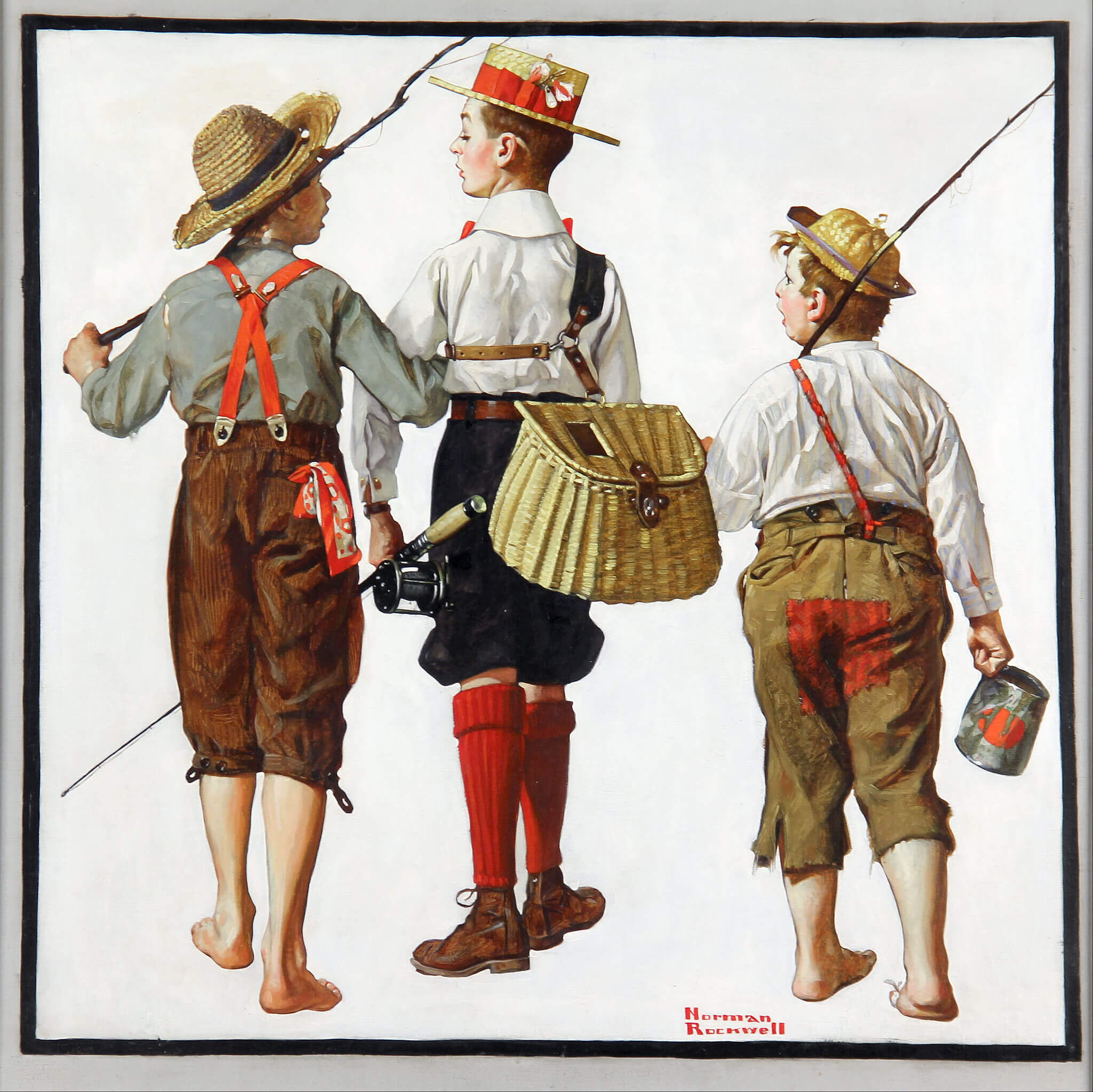
Norman Rockwell is often called a "National Artist" who captured 20th-century American life with warmth and realism. His work <Fishing Trip, They'll Be Coming Back Next Week> is more than just an illustration; it functions as an "Emotional Buffer" that sublimates human mistakes into humor. Rockwell’s art-historical value lies in his ability to narrate American identity through everyday scenes, but from an Art Emotion Flow (AEF) perspective, his paintings are also mechanisms of emotional regulation. Traditional art-historical analysis would emphasize Rockwell’s role in illustration, his connection to mass media, and his stylistic realism. In contrast, AEF analysis asks: What does the painting do to our nervous system and emotions right now? This difference is crucial in understanding why Rockwell’s works continue to resonate beyond their historical context. |
|||||||||||||||
|
|||||||||||||||
2. AEF Mechanism Analysis
|
|||||||||||||||
3. Conventional vs. Emotional Transfer AnalysisTraditional analysis of Rockwell emphasizes his role as a chronicler of American life, his technical mastery, and his influence on illustration. It situates him within cultural history. Emotional transfer analysis, however, emphasizes how his art feels: how humor, detail, and narrative act as neurological triggers that soothe the viewer.
|
|||||||||||||||
|
"It’s okay to fail; we can try again next week." From an AEF perspective, Rockwell’s message acts as an emotional vitamin that soothes the modern nervous system and provides the energy to start over. The difference is clear: conventional analysis explains Rockwell’s place in history, while AEF analysis reveals how his art actively transforms our emotional state in the present. |